Writing about Top Secret Shenanigans

Surveillance, incompetence, blame and knife-throwing are just some of the themes running through my latest play to be published by Silver Moon.

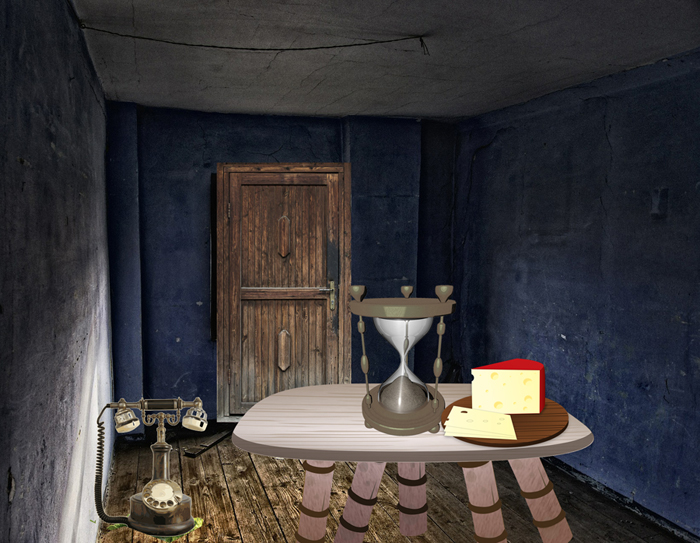
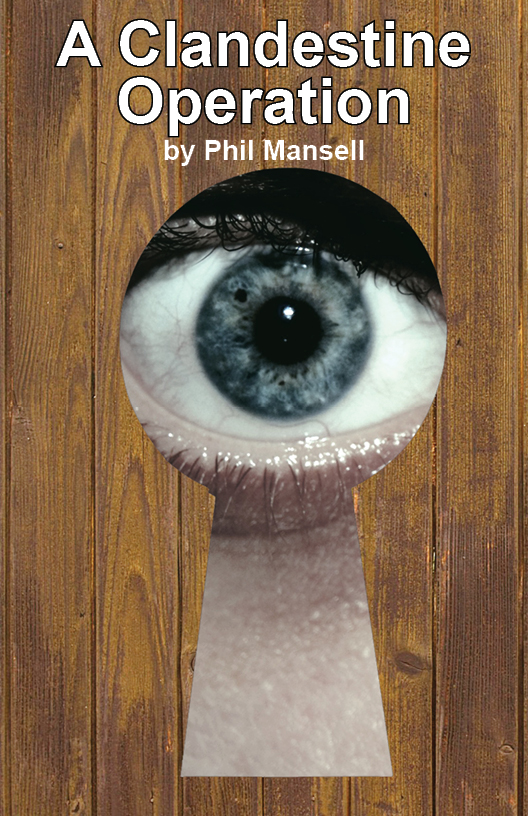
The cover of 'A Clandestine Operation' which I designed.

The cover of ‘A Clandestine Operation’ which I designed to be spooky and worrying.

‘A Clandestine Operation’ is set in a room where two men and their supervisor are keeping an eye on events taking place beyond a locked door. Their mission is simple: to open the door and infiltrate the proceedings outside. But things do not go according to plan – and they have to face the problem of who is to blame. No-one wants to take responsibility so scapegoats are sought. Possible candidates include Albert Einstein and God.

I began writing this play a few years ago to while away my lunch hours at the University of Wales, Newport where I worked as the Press Officer. It was a great way to escape from work for a while. I was no longer in my office but in an anonymous shabby room where something mysterious and vaguely sinister was happening.

I describe the set as steampunk meets film noire.

‘A Clandestine Operation’ is set in a room where two men and their supervisor are keeping an eye on events taking place beyond a locked door.

‘A Clandestine Operation’ is set in a room where two men and their supervisor are keeping an eye on events taking place beyond a locked door.

There are dark shadowy corners, a table with a large ornate hourglass, and an ancient telephone on the bare floor. A dark doorway leads to the rest of the building which, we discover, includes a pantry housing all manner of useful things – but no pickled onions.

I liked the idea of a play set in a room where the characters are focused on what is happening outside – and what is happening there is conveyed though a strange assortment of weird and wonderful sound effects. Barrel organs, fireworks, trumpets, crowd noises and unintelligible loudspeaker announcements conjure up a world beyond the door where some sort of celebration or festival is taking place.

The outside world is viewed through a keyhole.

The outside world is viewed through a keyhole.

The two men are unable to open the door so must watch through the keyhole. What they see doesn’t always tally with the sounds and there are suspicions that at least one of the men doesn’t know how to look through a keyhole.

Their officious supervisor keeps popping in to check on their progress and she is not happy with the way things are going.

To make it quicker to type the dialogue I named the characters simply A, B and C. When I returned to the play a couple of years later and decided to revise it I gave them names – A, B and C became Adler, Bray and Crowe. I also switched from writing in Word to using Scrivener, my favourite script-writing program which I’ve written about before.

Enter Dawn - a knife-thrower's assistant in search of a knife-thrower.

Enter Dawn – a knife-thrower’s assistant in search of a knife-thrower.

Coming back to the play, I decided that another character was needed – someone who comes in by accident from outside. Enter Dawn, a knife-thrower’s assistant, who blunders into this top secret world of surveillance and intrigue. She is part of the entertainment taking place beyond the door – but her arrival is met with suspicion and she is interrogated by Crowe, who is a sneering, supercilious character.

An innocent abroad, Dawn finds herself trapped in a room where people who may – or may not – be spies are writing a report on the failure of their mission – and apportioning blame for its lack of success. Ever helpful, Dawn ends up practically dictating suitable phrases for the report as Bray struggles to write it on parchment with a quill pen. Fear creeps in as the phrase “heads will roll” keeps recurring. Adler goes off to deliver the report leaving the others to await their fate as, outside, even more sinister events begin to unfold.

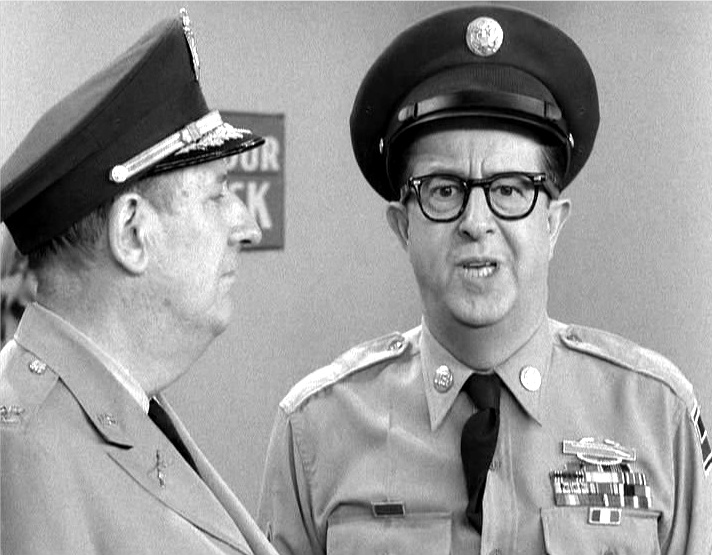
Colonel Hall and Sgt Bilko - roles that Terry and I often adopted.

Colonel Hall and Sgt Bilko – roles that Terry and I often adopted.

When it was published, I dedicated the play to a friend of mine who died last year. Terry Stephens was a genuinely funny guy who, like me, was a big fan of Sergeant Bilko which we grew up watching in the 1950s. In fact, our correspondence often centred on his being the Colonel Hall to my Bilko, following a routine we had developed from the TV show.

A larger than life character who loved playing elaborate pranks, he was strangely secretive about his private life and even his whereabouts. I think that as Terry was a real “man of mystery” he would have appreciated ‘A Clandestine Operation’.

I hope drama groups and societies will visit Silvermoon Publishing for details of all my plays and hopefully stage them. ‘A Clandestine Operation is also available on Amazon.

Posted in Uncategorized | Tagged , , , , , , , , , , , , , , , , , , , | Leave a comment

A fool’s errand…or a deadly trap?

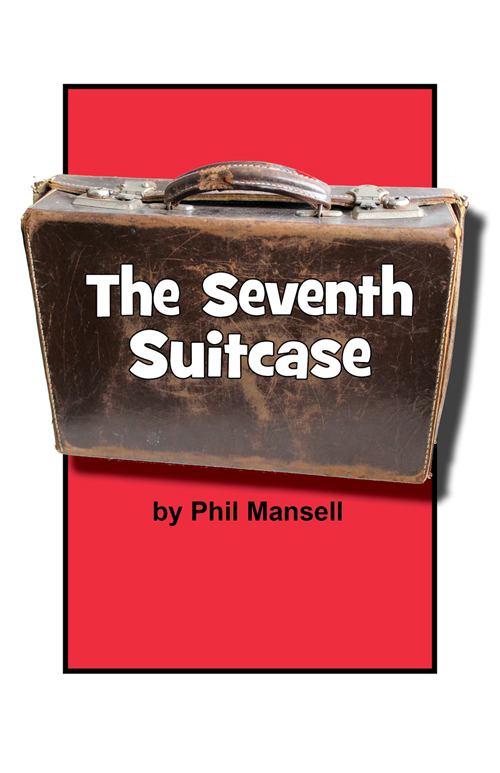
Seventh Suitcase Cover Design (FINAL1) webI’ve just sent off another play to my publisher Silvermoon. ‘The Seventh Suitcase’ is a play I’ve been working on for some time. At last, I’m happy with it – and hope to direct it in the Studio at the Dolman Theatre.

The play, which for some reason I’ve always imagined takes place in Ireland, revolves around Tim an unemployed fork lift truck driver who arrives at a seedy hovel to deliver a suitcase to an old man who’s asleep in a bed in the corner.

As he waits for the old man to wake up so he can give him the suitcase and claim his reward, he encounters two women. One offers him tea and sympathy, the other whisky and words of wisdom.

They all want to know what’s inside the suitcase but only the sleeping old man has the key. As the play unfolds, one thing becomes clear – this is not the first time a battered old suitcase has been delivered here.  And it won’t be the last.

To date, Silvermoon have published four of my plays which are available either from their websire or from Amazon.

Posted in Uncategorized | Tagged , , , , , , , , , , , , | Leave a comment

Paying Homage to Samuel Beckett – via Golf!

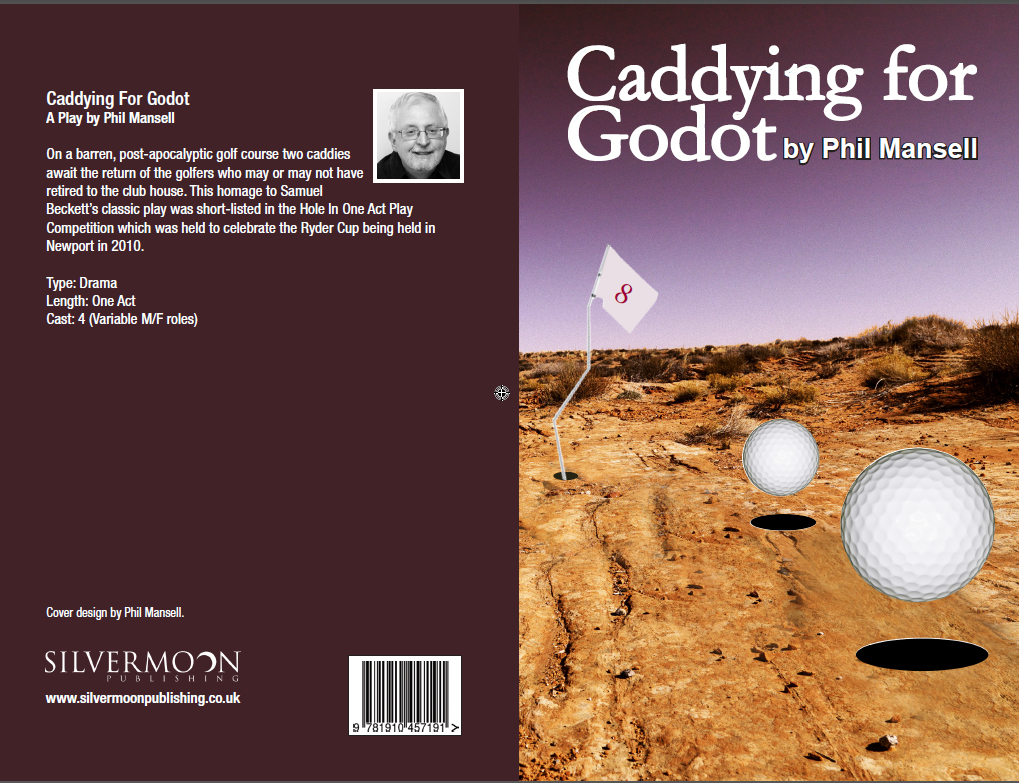
My latest play to be published by Silvermoon, ‘Caddying for Godot’, was created for a play-writing competition organised by Newport Playgoers Society to celebrate the Ryder Cup being held in Newport. The theme, naturally, was golf.

Caddying for Godot Cover

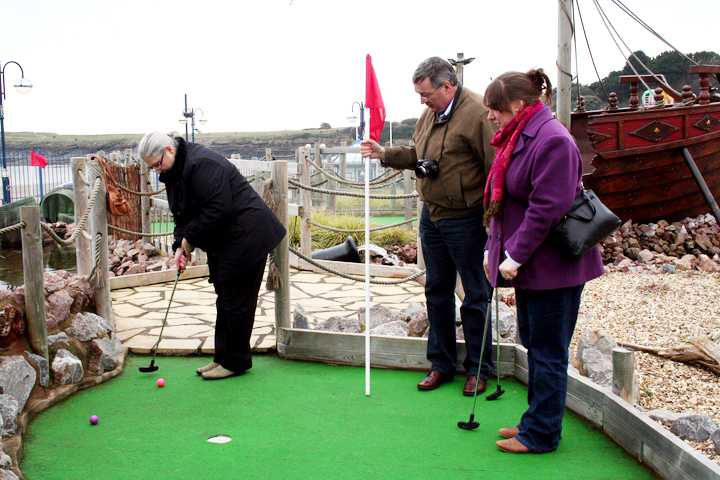
A serious business: playing crazy golf at Barry Island. (PHOTO: PHIL MANSELL)

A serious business: playing crazy golf at Barry Island. (PHOTO: PHIL MANSELL)

I was keen to enter – play-writing competitions offering a chance for a play to be produced always spur me to write. The only problem with this particular competition was that I knew little or nothing about golf. With the exception, that is, of crazy golf which we play whenever we can with our good friends Rog and Adrienne.

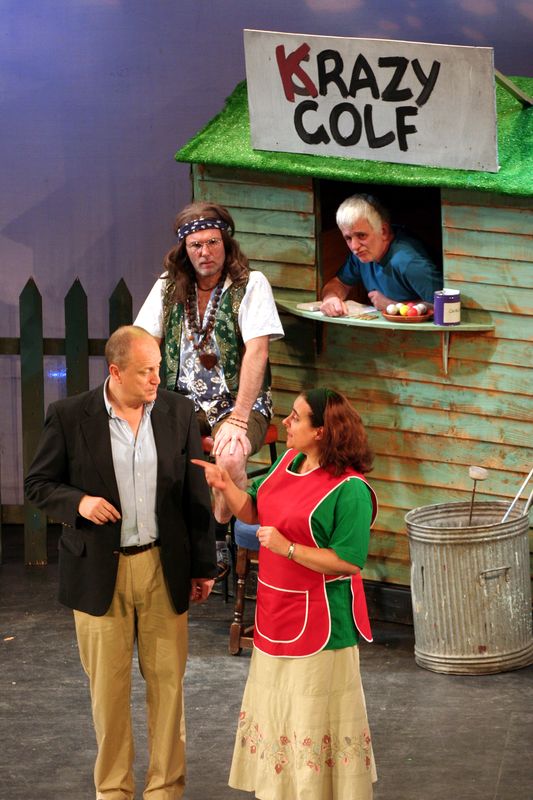
So the first play I wrote for the competition used this setting. ‘Bunkered’ was about the trials and tribulations facing the owner of a run-down crazy golf course who is losing customers to a hi-tech rival at the other end of the beach. This play went on to be selected to be one of the winners and was performed at the 400-seat Dolman Theatre.

'Bunkered' on stage at the Dolman Theatre. (PHOTO: PHIL MANSELL)

‘Bunkered’ on stage at the Dolman Theatre. (PHOTO: PHIL MANSELL)

Entries for the golf competition were submitted anonymously so that the judges had no idea who wrote them – which meant I could enter as many times as I wanted under different pseudonyms. So I decided to have another go. Next I came up with ‘The Missing Links’ set in a golf resort in Spain. I had the writing bug good and proper now so I set about creating another play on the golf theme.

For some reason, Samuel Beckett’s classic ‘Waiting for Godot’ popped into my head. (To my shame) I have never seen this theatrical masterpiece on stage but remembered reading it when I was a student at film school. My bedsit in Streatham had no television so entertainment came in the form of books. I was a voracious reader and vividly remember reading ‘Waiting for Godot’ in Lambeth Library where it was always warm – and saved me having to put coins into my bedsit’s electricity meter which required constant feeding.

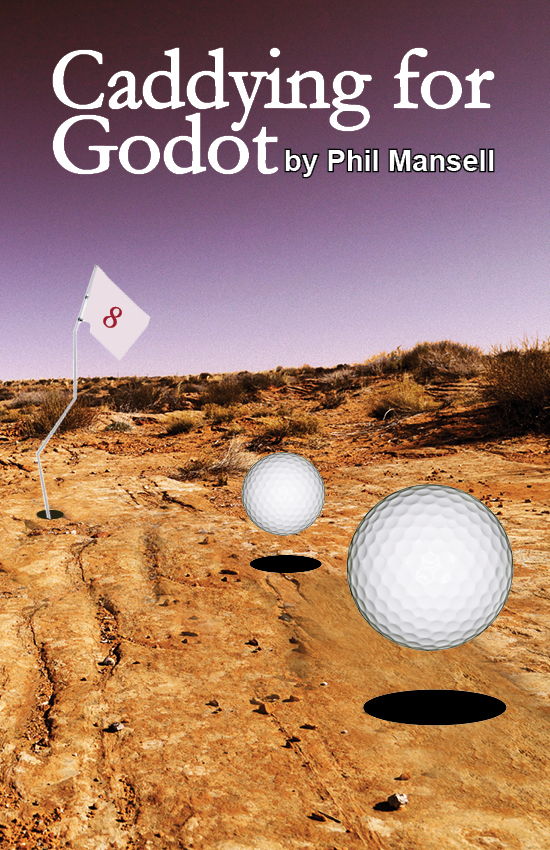
The play left a deep impression on me, and after refreshing my memory of it, I thought it would be a novel idea to pay homage to this classic by emulating Beckett’s style but in the unlikely setting of a golf course. Obviously a typical lush green course was out of the question, so I placed the action on a barren post-apocalyptic wasteland with a single, twisted flag marking the eighth hole. Here, two caddies converse as they await the return of their golfers and attempt to keep warm in the face of a bitterly cold wind which howls around them.

Originally, the play was called ‘Waiting for Gobbo’ as this is how one caddy, Beta, mistakenly refers to one of the missing golfers. As in Beckett’s play they are happened upon by two strangers, but instead of Pozzo and Lucky we have Cameo, a leading light of the golf club, and her put-upon caddy Dim who is made to recite a poem about drinking with ghosts in “a pub too perfect to exist” – another reference to my student days in Streatham.

Golf-Plays-Poster1webOf the three plays I entered for the competition, this is the one I enjoyed writing the most. I have always been fascinated by the surreal and one of the first plays I wrote back in those heady Lambeth days, ‘The Spangler Donaghue Memorial Teabreak’, was about workers in a Christmas cracker factory who find themselves trapped in a never-ending teabreak. Beckett’s characters are similarly trapped in time, as are my two caddies, although for them there is a faint hope that their golfers will return as they have left their golf balls only inches from the hole. As Beta says, “I could knock them in with a second-hand umbrella. Or my granny’s walking stick”.

‘Caddying for Godot’ was not one of the winners of the play-writing competition but I remember chatting with one of the judges after the winners were announced and telling him which plays I had submitted. He said he thought ‘Caddying for Godot’ was the best play that had been entered, which cheered me up no end as I thought in many ways it was a more ambitious play than ‘Bunkered’. I have always wanted to stage it in the Dolman Studio Theatre – but, alas, have never found the time.

Caddying for Godot by Phil MansellSo here it is now, finally seeing the light of day and published by Silvermoon with a cover which I designed to capture the dreamlike quality of the play.

Hopefully, some dramatic society seeking something a little different will stage it. If so, I’ll be in the audience, watching this homage to a great playwright brought to life.

‘Caddying for Godot’ is available on Amazon.

Posted in Uncategorized | Tagged , , , , , , , , , , , , , , , , , , , , , , , , , , , , , , , , , | Leave a comment

Creating Characters Using Scrivener

Books on AmazonAs I’ve just had three stage plays made available on Amazon I thought it was time to share how I write plays – and indeed most things, including this blog. Quite simply, I use Scrivener.

It’s the writing tool I reach for whenever I get an idea. It enables me to do the initial work of jotting down rough plot ideas, adding characters and putting them in the right settings.

win-showcase-scrivener_headerThe beauty of it is, unlike ordinary word processing documents, it has everything there in one program – an easy-to-use binder containing research notes, character profiles and possible plot lines. So if I’m looking for anything – a character profile, images of the setting, a piece of research or simply an inspirational photo or quote – it’s all just one mouse click away.

Once I have an idea for a play I jot down a simple plot line and then begin to populate it with characters. I try to keep my casts small, mainly because I write them to be staged initially by Newport Playgoers, the amateur company that owns and runs the 400-seat Dolman Theatre. Playgoers put on eight productions a year – so there’s often one play running and two or three others in rehearsal. As a result, the pool of available actors is a small one. Having said that my latest play has ten characters – the most I’ve ever put in a play. In the second half they are all on stage at the same time which was was fun – but also hard work trying to make sure everyone had a chance to speak and get in on the action.

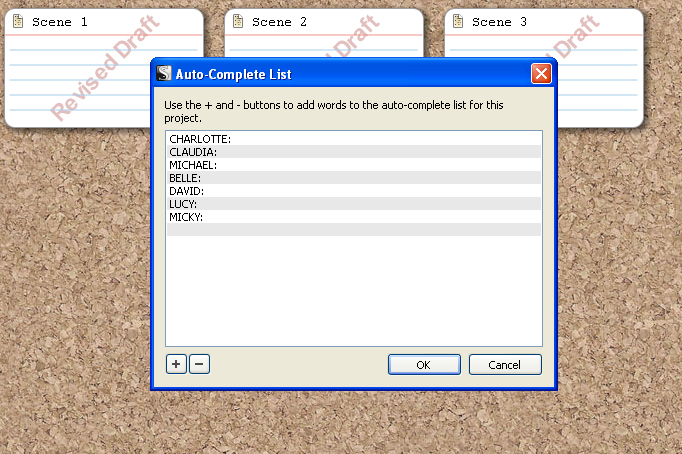
Which brings me to another great thing about Scrivener. Once I have my characters, I enter their names in the project’s auto-complete box. So, all I have to do is type the first letter and hey presto the name appears exactly as I want it complete with colon.
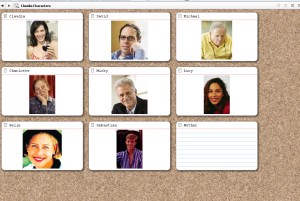
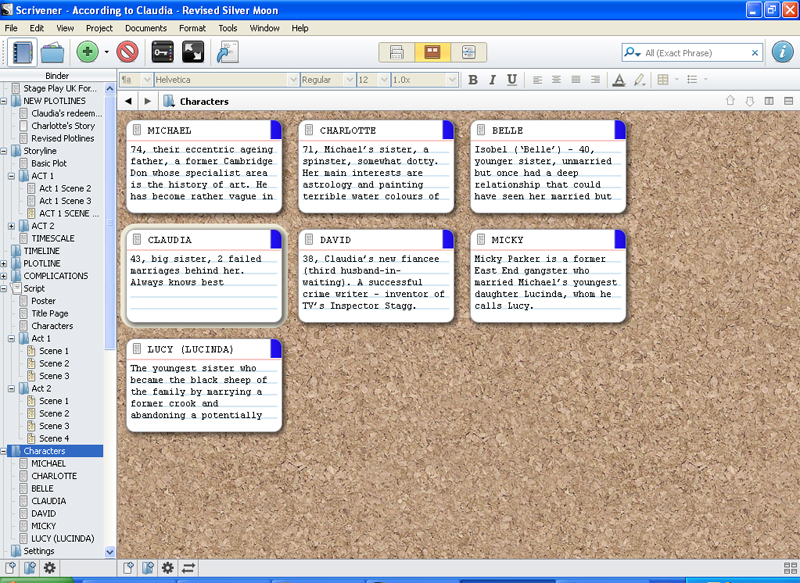
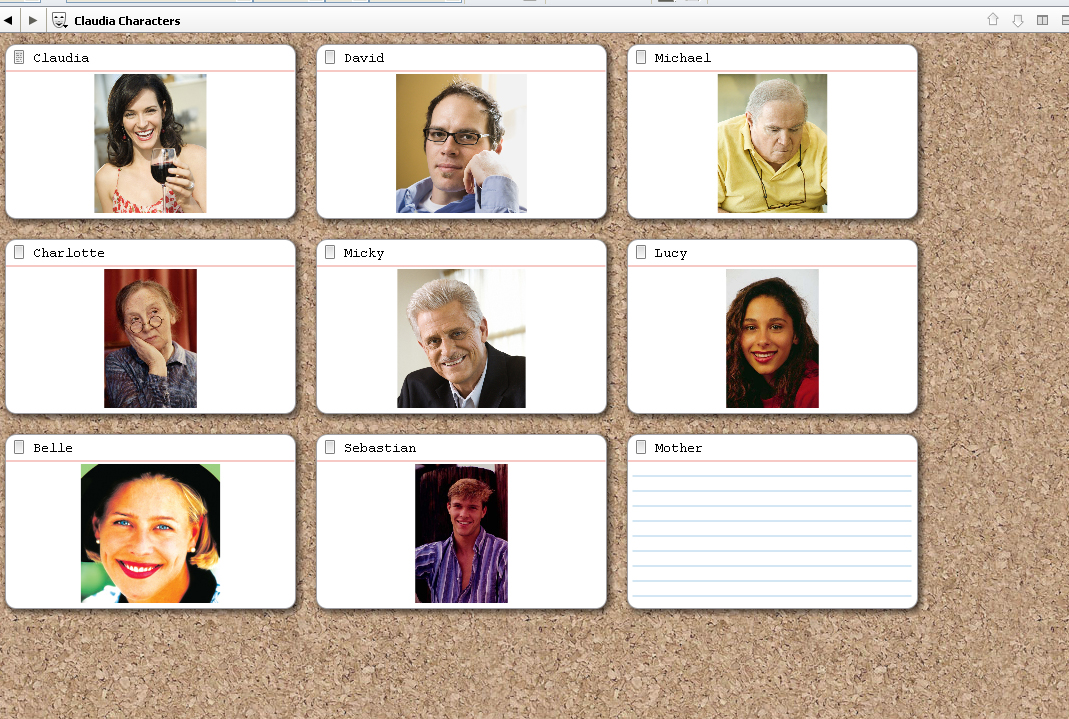
'Claudia' characters with images of how I imagine the characters to look

‘Claudia’ characters with images of how I imagine the characters to look

For me, once I have an idea of the story, character comes first – characters are where the plot springs from – so I spend a long time working on this aspect of a play. I tend to give them the first name that springs into my head (often changed later). I use photos that I think capture the way a character looks and sounds. I build up their profile – likes, dislikes, biography, secrets, what they want – and, most importantly, what’s stopping them from getting what they want. Often ideas for the plot will spring from these notes.
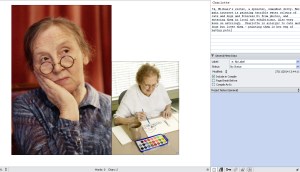
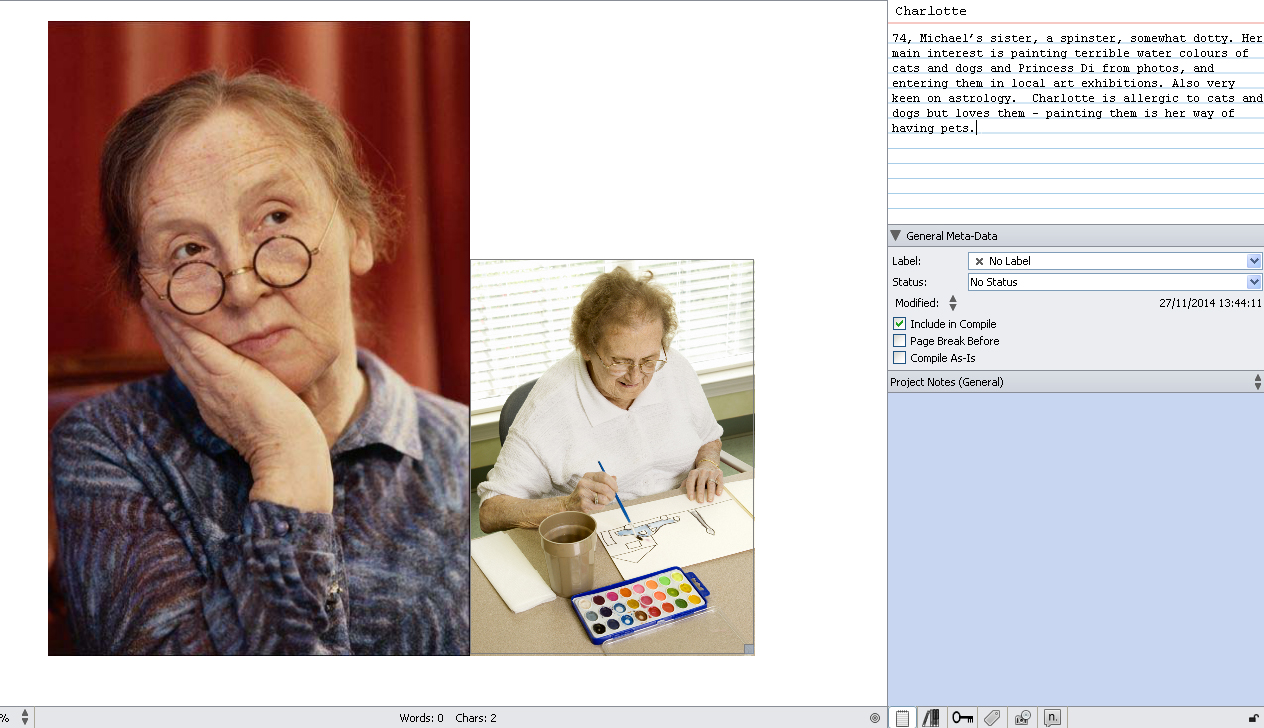
Ideas for the character of Charlotte

Ideas for the character of Charlotte

Scrivener proves invaluable here. I’ve created a template for stage plays which includes a folder for characters. It’s easy to add a character, name them and then drag in a photo of how I think they look. Next I use a character sheet to put flesh on the character.

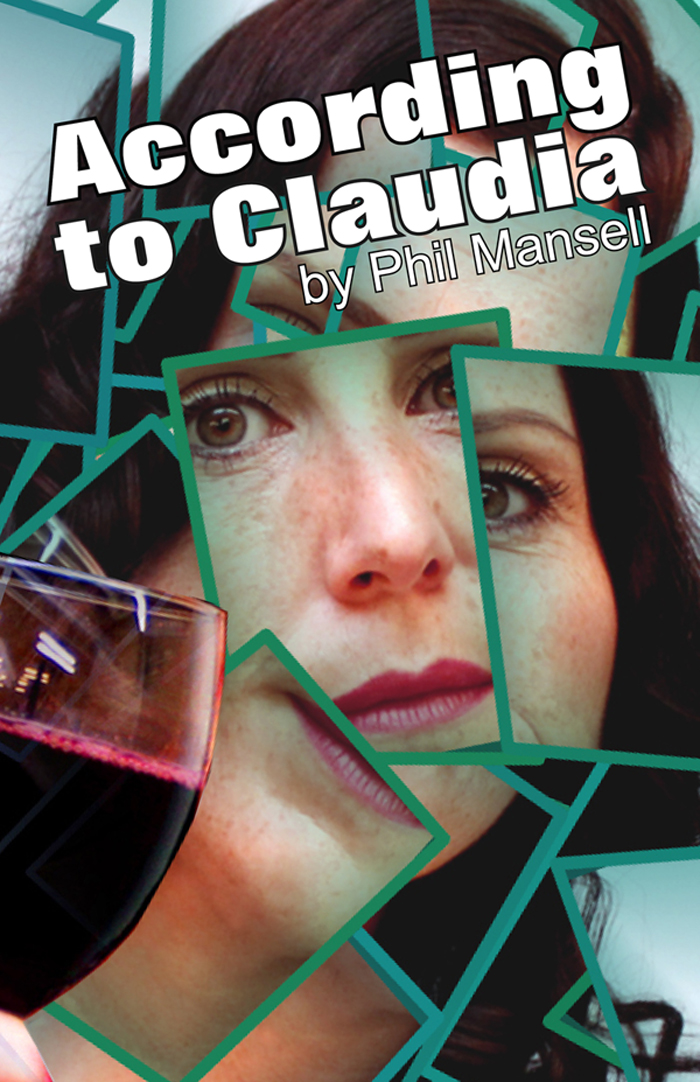
This method worked particularly well for the first play I had published, ‘According to Claudia’, a family drama set in the faded grandeur of the home of an elderly Oxford don.
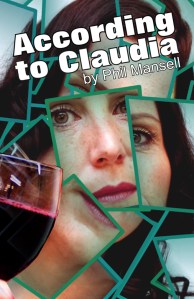
According to Claudia by Phil Mansell. Cover design by Phil MansellThe plot revolved around this rather irascible man and his relationship with various family members as his 80th birthday approaches. I gave him an eccentric sister, a spinster whose hobbies are painting and astrology. Plenty of scope there for petty squabbling.

His four offspring and their very different personalities, lifestyles and choice of partners enabled me to set up all the conflict I needed to power the plot along. I decided early on that two of the most important characters would not be seen – the don’s late wife whose sad life haunts them all, and his son with whom he has fallen out.
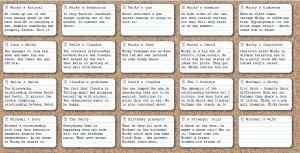
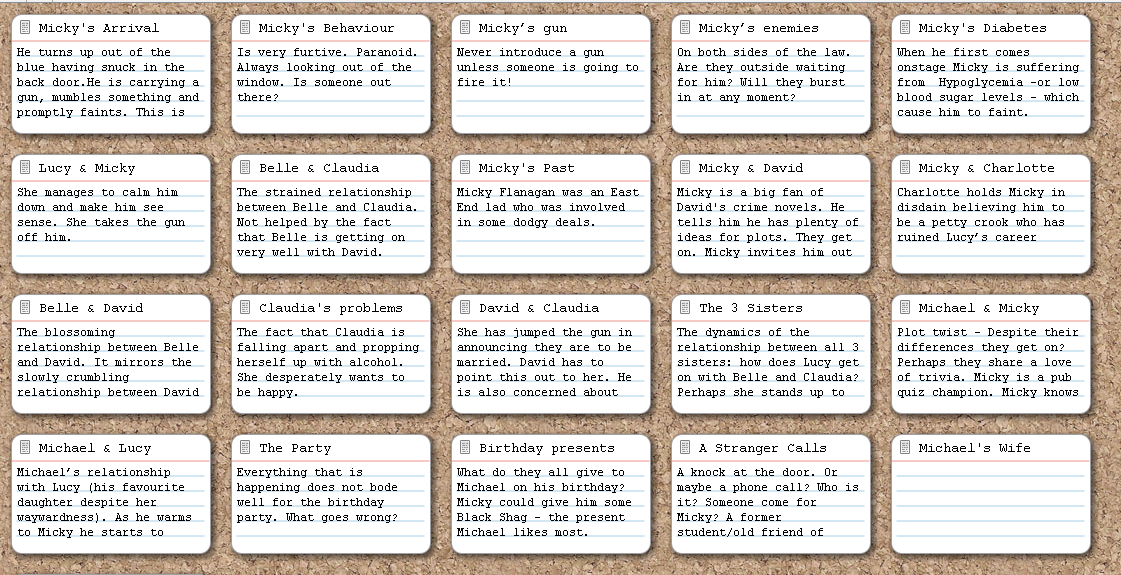
Plot lines jotted down as I create the characters.

Plot lines jotted down as I create the characters.

Even as I create characters in Scrivener I can “hear” them talking and bursts of dialogue will form which I write down. The characters help shape the plot.
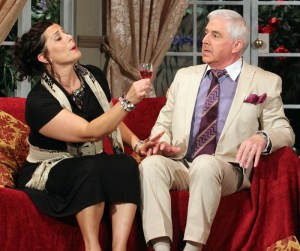
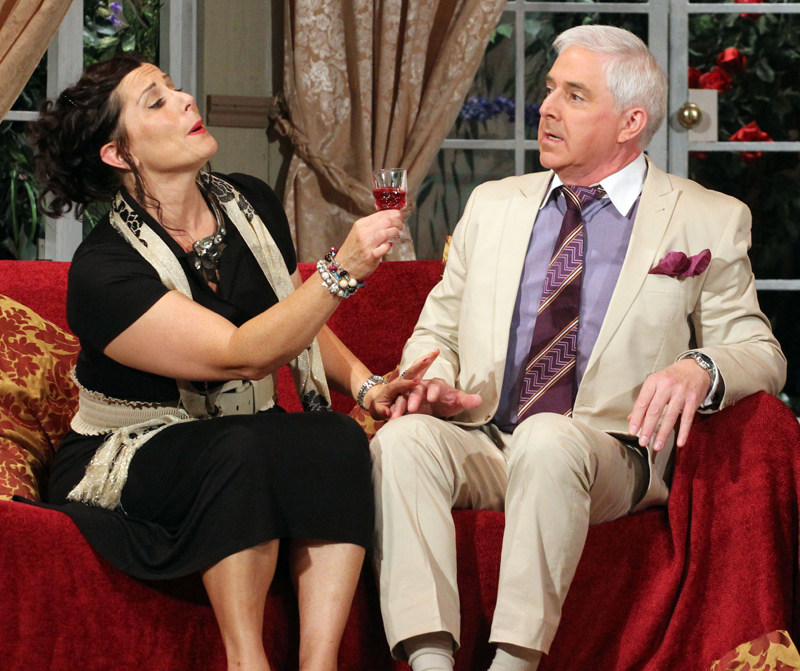
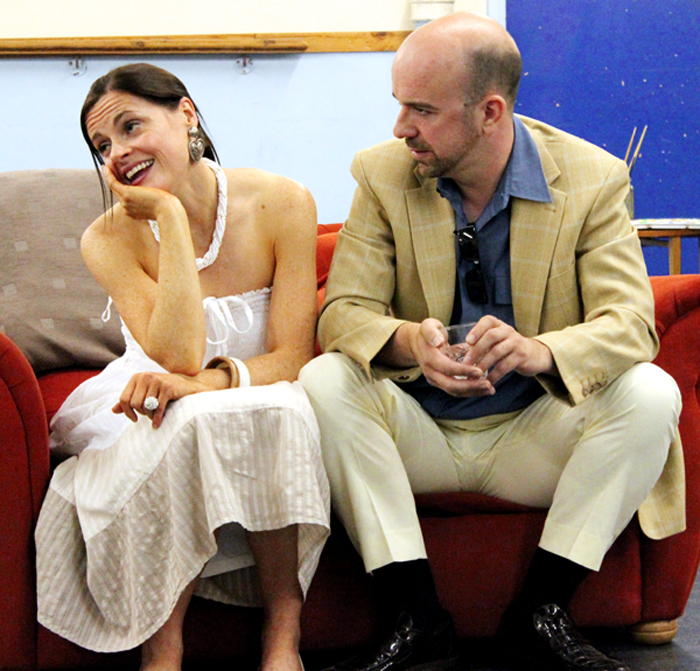
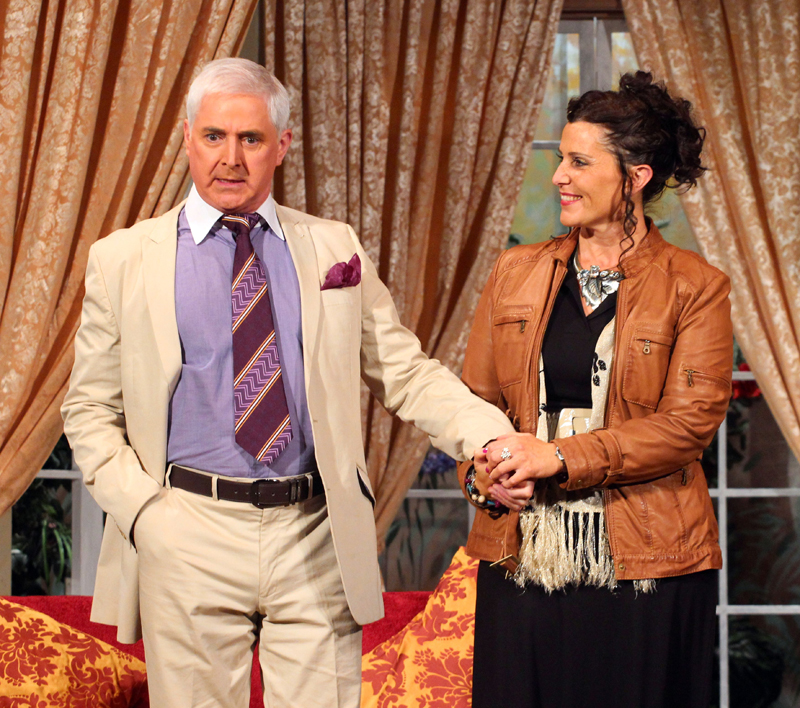
Angharad Jones as Claudia and Bob Brown as David in the stage version of 'According to Claudia'

Angharad Jones as Claudia and Bob Brown as David in the stage version of ‘According to Claudia’

So Claudia turns up with her latest flame – a successful crime writer obviously more at home in his fictional world than the real one.
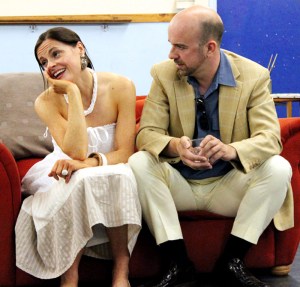
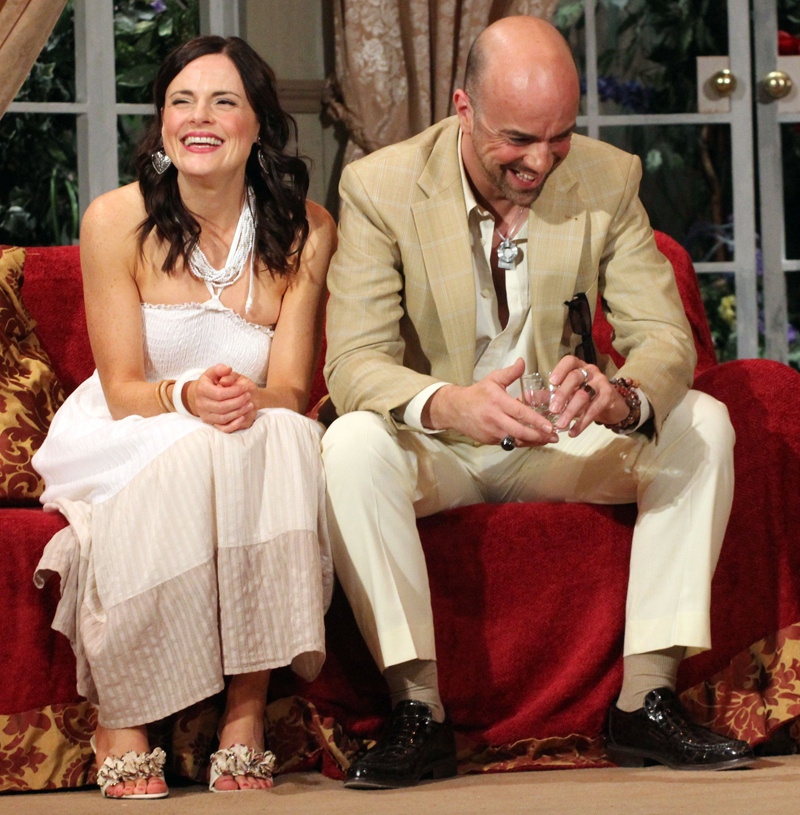
Eloise Rossiter as Lucy and Paul Howells as her husband Micky.

Eloise Rossiter as Lucy and Paul Howells as her husband Micky.

I decide to have her younger sister come with her husband, a reformed crook who is trying to better himself. And already, the scene is being set for clashes of personality and unlikely alliances.

I hope this brief guide to how I use Scrivener for character creation proves useful. You can download a free trial version at Literature and Latte.

If anyone’s interested in checking out the plays I’ve had published by Silvermoon simply click here to go the page where they’re listed on Amazon.

Posted in Uncategorized | Tagged , , , , , , , , , , , , , , , , , , , , , , | Leave a comment

A Hat Trick on Amazon!

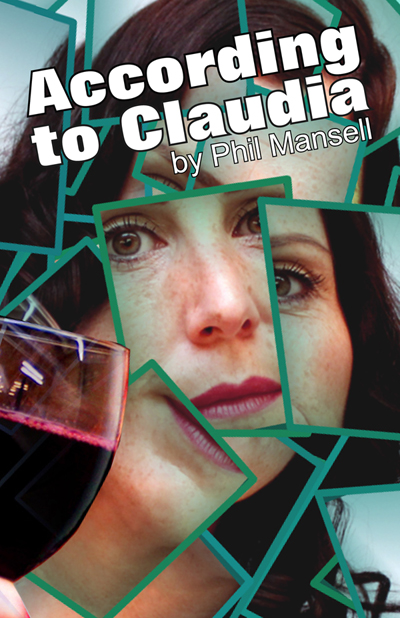
Front cover of 'According to Claudia' by Phil Mansell published by Silvermoon.

‘According to Claudia’ by Phil Mansell

Over the moon (to quote Micky the ex-gangster in one of my plays) to see three of my plays now available on Amazon. I’m really pleased with the way my publisher Silvermoon have handled this – and hope to send them more of my work soon.

In the meantime, Newport City Library have been in touch to say they will be purchasing copies – so that’s a good start.

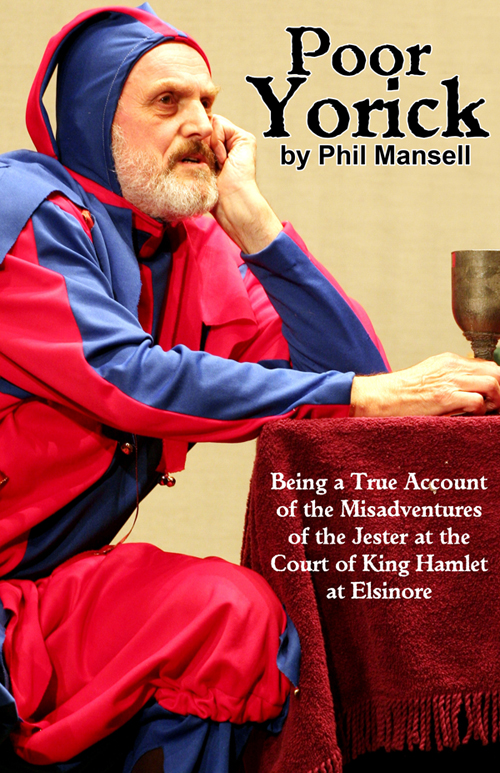
Cover of Poor Yorick by Phil Mansell

‘Poor Yorick’ by Phil Mansell

Here’s the link to my plays on Amazon

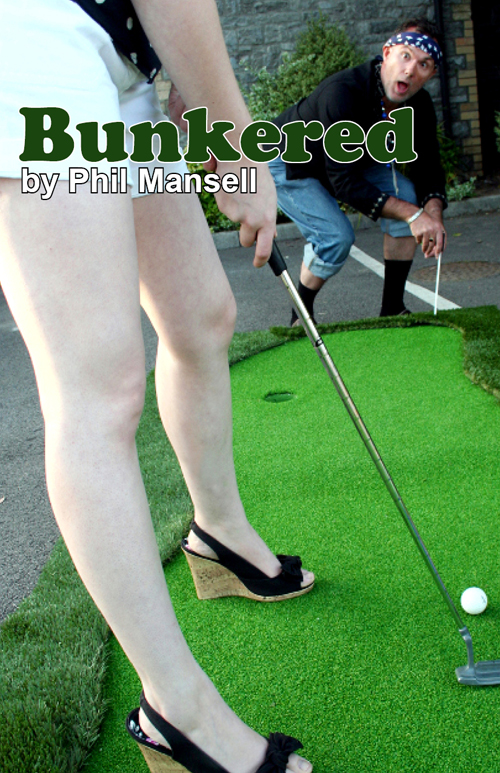
Cover of Bunkered by Phil Mansell. Published by Silvermoon.

Bunkered by Phil Mansell

Posted in Uncategorized | Tagged , , , , , , , , , , , , , , , , | 2 Comments

My Play on Amazon!

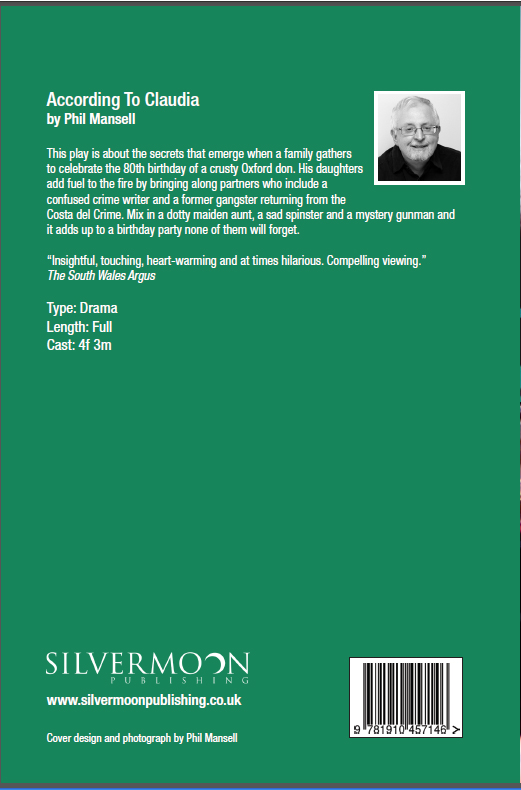
Front cover of 'According to Claudia' by Phil Mansell published by Silvermoon.Words can’t describe how I felt when my publisher emailed me to say that my play ‘According to Claudia’ was now on Amazon.
I went online and, sure enough, there it was. It’s an amazing feeling. Now begins the job of promoting it to dramatic societies who are looking for new plays to perform.
Check it out on Amazon at: http://goo.gl/UNikjt

The back cover of the published version of my play 'According to Claudia' by Phil Mansell.

The back cover of the published version of my play.

Posted in Uncategorized | Tagged , , , , , , , , , , , , , , , , | Leave a comment

‘Claudia’ Goes from Strength to Strength!

I’ve been so busy lately that I haven’t had a chance to update this blog so I’m desperately trying to catch up now.

My lovely wife Caroline and I picking up the Theatre Show of the Year Award

My lovely wife Caroline and I picking up the Theatre Show of the Year Award

The good news is that not only did my play ‘According to Claudia’ have a successful run at the Dolman Theatre in September but I have also found a publisher for this and the rest of my plays – and won an award!

Last night my wife Caroline and I were presented with the award for Best Theatre Show of 2014 by lifestyle and entertainment magazine Voice in the plush surroundings of the Celtic Manor Resort.

Bob Brown as David and Angharad Jones as Claudia. (PHOTO: PHIL MANSELL)

Bob Brown as David and Angharad Jones as Claudia. (PHOTO: PHIL MANSELL)

It was a shame none of the wonderful cast of the play who helped make it such a success were able to be there to share in our joy. But the award is very much a shared one as they played such a vital part in bringing my characters to life – and Caroline, who directed the play, and I want to thank them so much for all their hard work and patience.

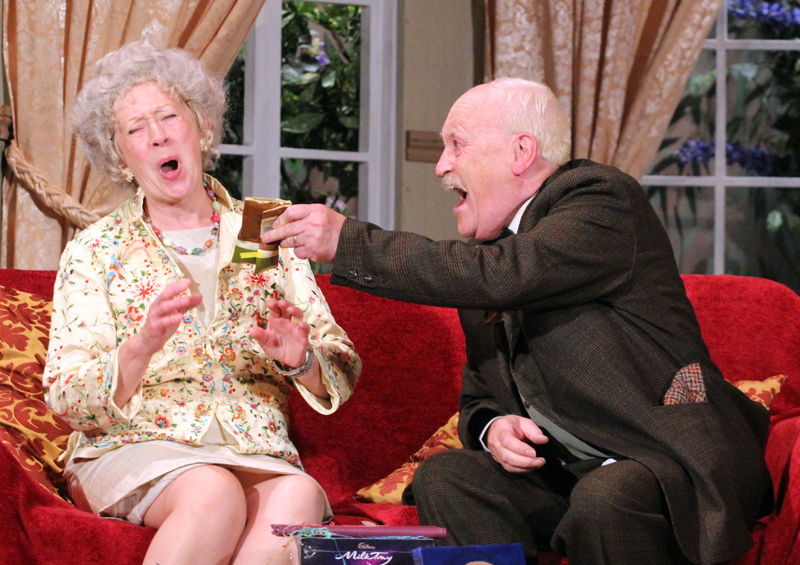
Sue Morgan as Charlotte and Chris Bissex-Williams as Michael. (PHOTO: PHIL MANSELL)

Sue Morgan as Charlotte and Chris Bissex-Williams as Michael. (PHOTO: PHIL MANSELL)

Prior to the award I signed up with Silvermoon Publishing which specialises in providing plays for hundreds of dramatic companies worldwide. My first play to go into print will be ‘According to Claudia’, which launched the new season by Newport Playgoers at the 400-seat Dolman Theatre in September.

Eloise Rossiter as Lucy and Paul Howells as Micky. (PHOTO: PHIL MANSELL)

Eloise Rossiter as Lucy and Paul Howells as Micky. (PHOTO: PHIL MANSELL)

I’ve been writing plays for many years and Silvermoon Publishing want to create a catalogue of my work which they will promote to potential performers including over a thousand contacts they have who are looking for plays.

Very few authors make a fortune from their plays but I will have the satisfaction of knowing that there’s a good chance my work will be staged, not only in this country but across the world.

As well as ‘According to Claudia’, I have several plays lined up for Silvermoon including ‘Poor Yorick’ and ‘Bunkered’ both of which won one act play competitions and were staged at the Dolman Theatre. I have also recently completed two plays, one of which is about the ghost of John Lennon striking up an unlikely relationship with a retired quantity surveyor.

Posted in Uncategorized | Tagged , , , , , , , , , , , , , , , , | Leave a comment

‘Claudia’ comes to life!

So, we had the first rehearsal for my play ‘According to Claudia’ – good fun it was too.

I couldn’t ask for a better cast. Angaharad Jones (Claudia), Karen Davies (Belle), Eloise Rossiter (Lucy), Paul Howells (Micky) Bob Brown (David). Here they are in action:

This slideshow requires JavaScript.

Posted in Uncategorized | Tagged , , , , , , , , , , , , , , , | Leave a comment

First Rehearsal for ‘Claudia’ Draws near!

Cast of 'According to Claudia' at preliminary meeting. (PHOTO: PHIL MANSELL)

Cast of ‘According to Claudia’ at preliminary meeting. (PHOTO: PHIL MANSELL)

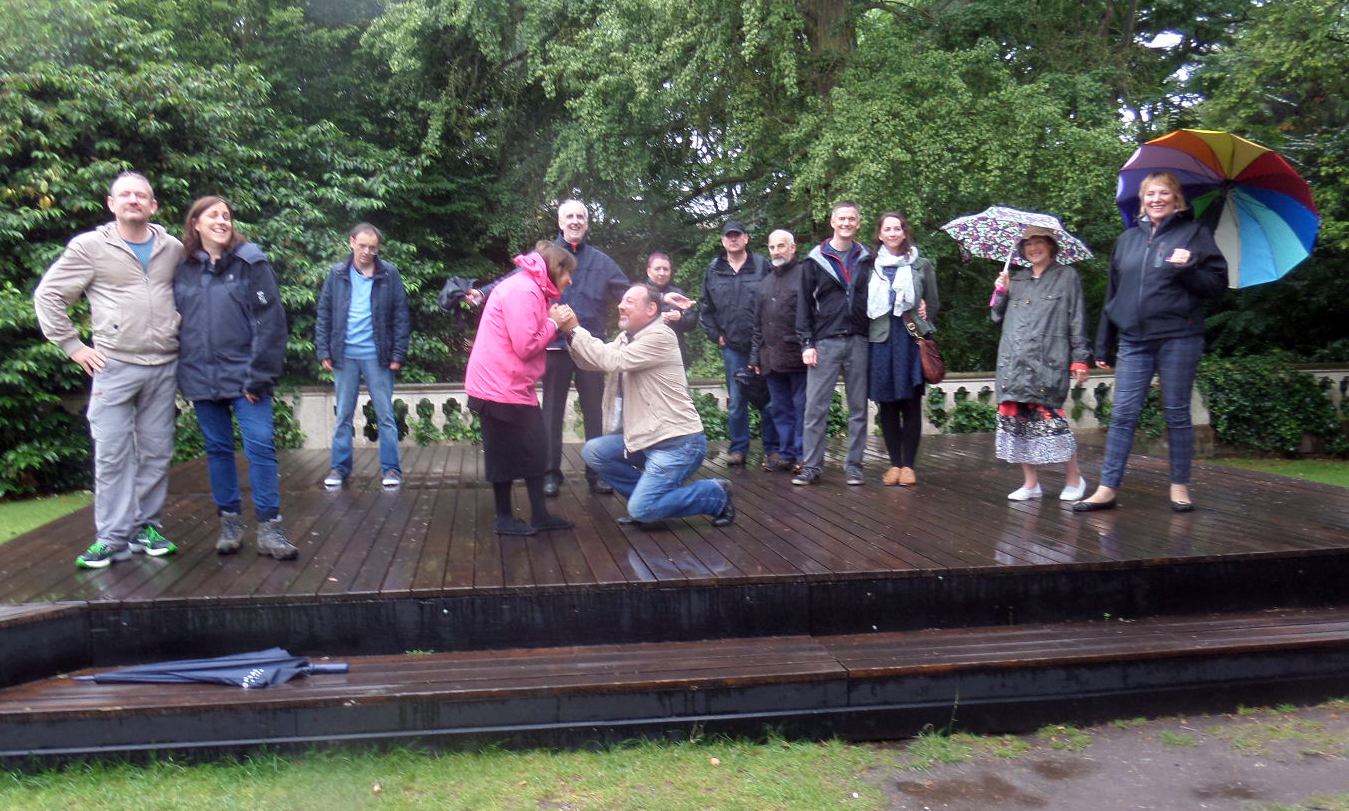
As the first rehearsal for ‘According to Claudia’ looms ever closer I thought it would be fun to post the ‘alternative’ photo of the cast’s first meeting.

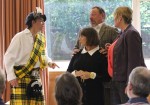
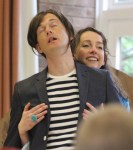
Nice to see that Karen is exhausted before we start and that Eloise is apparently practising yoga to prepare for the play. I hope the rehearsals will be as much fun as this photo promises!

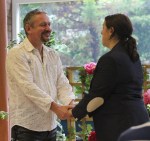
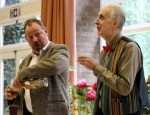
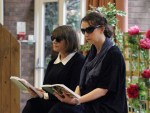
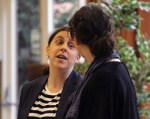
Just a reminder that the cast are (from left to right) Eloise Rossiter, Bob Brown, Sue Morgan, Chris Bissex-Williams, Angharad Jones (front) Karen Davies and Paul Howells.

Posted in Uncategorized | Tagged , , , , , , , , , , , , , , , | Leave a comment

Write On!

It’s less than a week before rehearsals start for my play ‘According to Claudia’ – and I can hardly wait. At the moment, it looks like I’ll be assistant director to my wife Caroline – which probably means I’ll be making tea and coffee for the cast.

Excerpt from new play

Excerpt from my new play

Meanwhile, I’ve been busy working on my next stage play, provisionally entitled ‘Wedded Blitz’ about a novelist suffering from writer’s block whose second marriage is about to hit the rocks as he hits the bottle. The first draft is now complete – so I’ll give it the acid test i.e. let Caroline read it.  If she likes it enough I’ll be arranging for some of Newport Playgoers’ finest to get together for a reading – and looking forward to their invaluable feedback.

It started off almost as a comedy but got darker and darker as it went along. There’s a brief extract from an early scene here.

Posted in Uncategorized | Tagged , , , , , , , , , , , | Leave a comment